
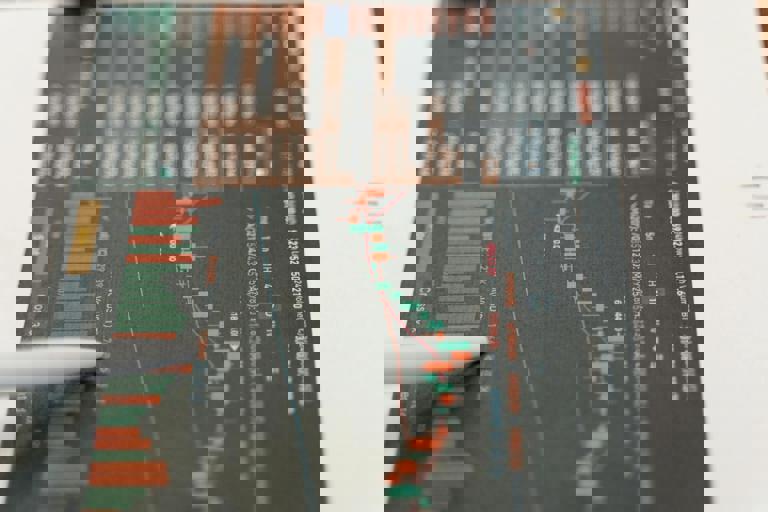
A dramatic spike in maple syrup futures has taken the commodities market by surprise, pushing related stocks to unprecedented highs. This comes in response to a sudden increase in global demand for authentic Canadian maple syrup, traditionally a beloved national product but now gaining remarkable traction abroad. The surge has caught both seasoned investors and industry analysts off guard, with many scrambling to assess the implications for the broader Canadian economy.
According to trading data released earlier this week, the price of maple syrup futures on the Montreal Commodities Exchange climbed by more than 20 per cent over a two-week period, setting a new record. Investors have attributed this extraordinary rally to growing interest from major export markets like the United States, Europe, and emerging Asian economies. The exhilaration has introduced a sense of urgency among stock traders who are now considering maple syrup a hot commodity.
Industry experts point to several converging factors behind the spike. "There's an increased awareness around natural sweeteners. Maple syrup, with its unique flavour profile and reputation for purity, is benefitting," explains Elise Gagnon, an agricultural commodities strategist based in Montreal. Gagnon further highlights that an unusually cold spring created ideal conditions for a rich sap harvest, introducing both opportunities and unpredictability into the market equation.
The impact of this rally isn't just limited to futures trading. Companies with strong ties to the maple syrup supply chain—producers, processors, exporters—have witnessed stock prices soar. Quebec Maple Inc., one of the sector's largest publicly traded firms, saw its share value climb 18 per cent in just five trading sessions. Analysts suggest that institutional investors, noting increased consumer demand, are establishing positions with an eye toward long-term gains.
While investors celebrate, some producers have called for caution. "A surge like this is exciting, but it can create volatility for those who depend on stable prices year after year," warns Marie Cloutier, a third-generation syrup producer. She argues that over-speculation could have adverse effects, such as price bubbles or increased pressure on forests. Cloutier hopes policymakers will maintain oversight to protect both the industry and the environment.
On the consumer side, retailers are already contending with shifts in availability and pricing. Several supermarket chains across Canada report depleted stocks of premium maple syrup, with prices trending upward in response to wholesale increases. Shoppers are expressing concern about affordability, especially as the product enjoys a strong presence on breakfast tables nationwide. Some experts predict an uptick in imitation syrups on shelves, raising questions around labeling and authenticity.
Exporters are seizing the moment, negotiating new contracts with overseas clients eager to stock up before prices climb further. The Canadian Maple Syrup Exporters’ Association noted a 34 per cent rise in new export orders compared with last year. This surge is viewed as both a short-term windfall and a chance to establish lasting relationships with foreign distributors, potentially ensuring enduring international demand.
Government agencies are closely monitoring the situation to ensure responsible management of the maple syrup supply. "We’re committed to supporting our producers and maintaining the sustainability of our forests," says François Lefebvre, spokesperson for Agriculture and Agri-Food Canada. The agency has hinted at possible interventions if over-harvesting or rapid price escalation threatens long-term sector health or the environment. Analysts are watching closely for signs of regulatory action.
Looking ahead, the commodities market remains volatile, with traders split on whether maple syrup prices will continue their meteoric rise or eventually stabilize. The story has underscored Canada's unique place in the global economy and put the spotlight on one of its most iconic exports. With harvest seasons still unfolding and international demand at a peak, industry participants are bracing for additional twists in this unexpectedly sweet saga.