
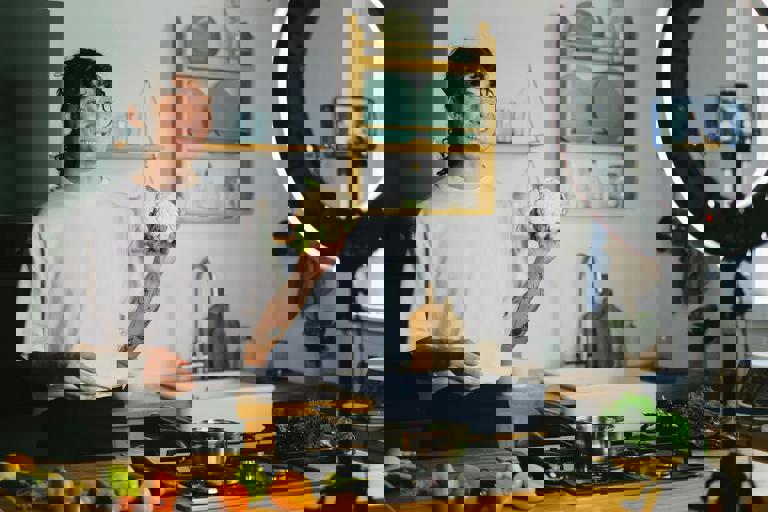
When retired chef Patricia Ng closed the doors to her fine-dining restaurant five years ago, she never expected her culinary journey would find fresh life in the humble art of sauerkraut fermentation. Yet, that is exactly what has happened. She now leads popular workshops for home cooks who are eager to learn from her extensive knowledge and experience. The classes have become a local sensation, booking up weeks in advance as word of her engaging teaching spreads.
Interest in fermentation and pickling has surged in recent years, fueled by burgeoning curiosity about gut health and artisanal food crafting. According to a 2023 survey by the Canadian Culinary Institute, over 40% of Canadians expressed an interest in preparing their own fermented foods at home. 'There's something magical about transforming basic ingredients into something complex and delicious,' explains Ng during a recent class.
The workshops, typically hosted in community kitchens and culinary studios, draw participants of all ages and culinary backgrounds. While some students arrive with prior fermenting attempts under their belts, most are complete novices. "Patricia makes everyone feel comfortable, no matter their skill level," says attendee Mark Stuart, who recently attended with his teenage daughter. The inclusive atmosphere has proven key to the workshops’ success.
Each session begins with a history lesson, where Ng outlines how fermentation has long been a staple in cuisines around the world. She highlights sauerkraut as a classic example, with roots tracing back to Eastern Europe and ancient China. This global perspective provides students with an appreciation for the time-honoured traditions they are about to replicate, connecting their kitchen efforts to centuries-old practices.
During the hands-on portion, Ng demonstrates the meticulous process of shredding cabbage, adding salt, and massaging the mixture to draw out natural juices. Participants are guided step-by-step as they create their own jars of kraut, complete with tips on sterilization, storage, and flavor variations. 'We teach people not just the recipe, but the science behind it,' Ng emphasizes, ‘because understanding the why leads to better results at home.’
Participants are encouraged to personalize their sauerkraut with ingredients like juniper berries, caraway seeds, or even shredded carrots for a pop of color and taste. This creative approach resonates with foodies keen to put their own stamp on traditional dishes. By sharing her own discoveries and occasional experiments gone awry, Ng cultivates a spirit of innovation among the group. Many leave with plans to try even more ambitious fermentation projects.
Beyond practical skills, workshop attendees benefit from lively discussions about the health benefits of fermented foods. Dietitians regularly guest lecture, explaining how probiotics in sauerkraut support digestive health and immunity. Ng is quick to stress moderation, noting, 'Fermented foods are potent—delicious, yes, but their benefits are best enjoyed as part of a balanced diet.' This evidence-based framework reassures newcomers seeking both flavor and wellness.
The workshops have sparked a mini-community, with alumni staying connected through social media groups and potluck meetups. Here, home fermenters exchange tips, troubleshoot mishaps, and showcase their home-brewed creations. 'I was surprised by how welcoming and helpful everyone is,' shares Priya D’Souza, who attended her first class last autumn. The collaborative environment keeps enthusiasm—and fermentation projects—bubbling long after classes end.
Local grocery stores and farmers’ markets have noticed a newfound demand for fermentation-friendly produce and supplies. Store owners report a steady uptick in purchases of canning jars, sea salt, and organic cabbage. 'Our shelves are emptier than usual during workshop weekends,' notes grocer Simon Leung. The economic ripple effect highlights how one individual’s passion and expertise can boost local food culture and small business.
For Patricia Ng, the greatest reward isn’t found in glowing testimonials or bustling workshops, but in witnessing students take pride in their homemade sauerkraut. 'It’s about empowerment,' she reflects, surveying a room of eager cooks. 'Fermentation is patience and practice. And when people taste that first tangy forkful they made themselves, their confidence grows—not just as cooks, but as people.'